Backpack Is Ready, Is Their Vision?
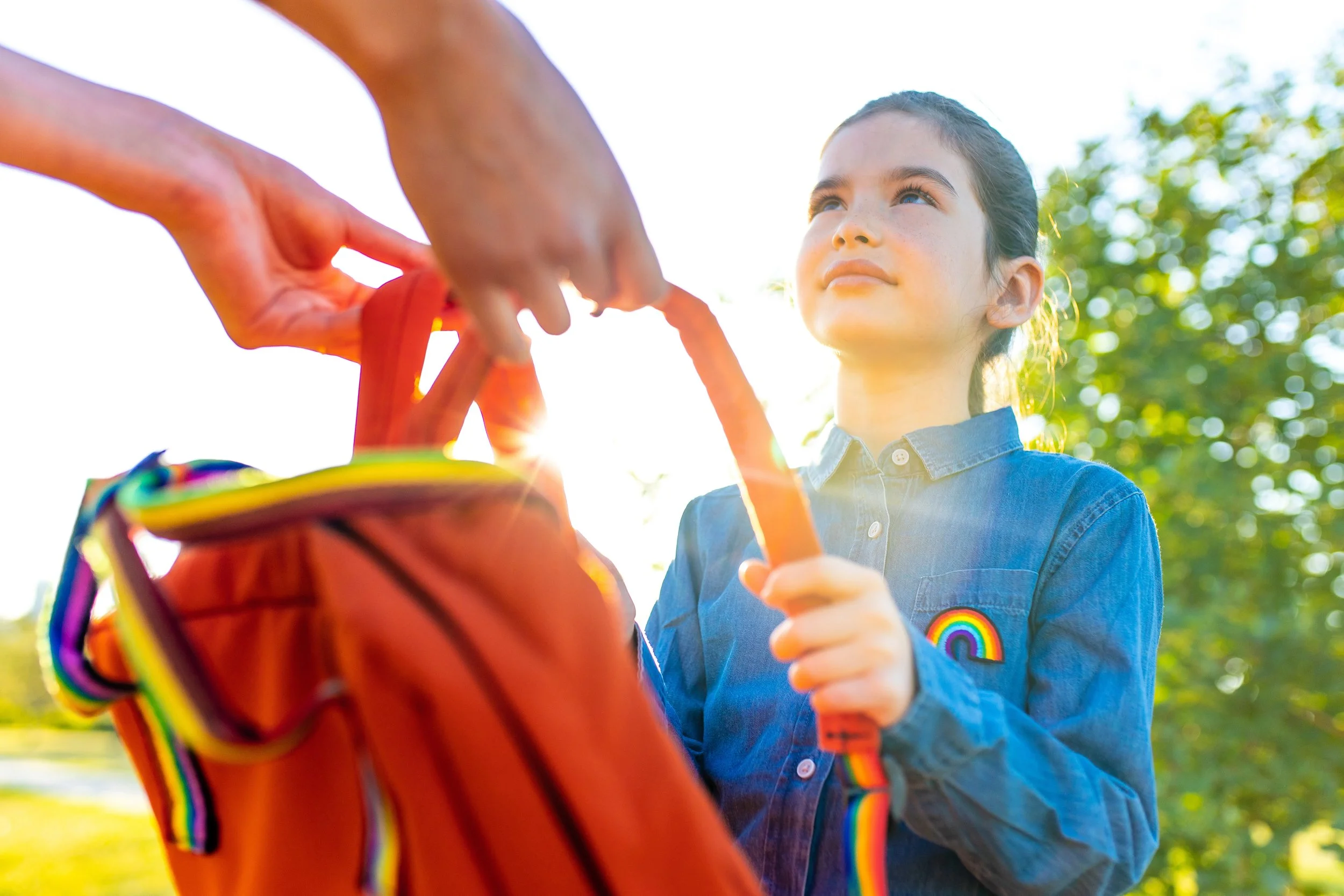
Their Backpack Is Ready, Is Their Vision?
By: Graham R. Stetson, OD, MS
As summer winds down and school sessions begin, it’s easy to overlook the importance of good vision amid the excitement of new classes, friends, and activities. With around 80% of our brain dedicated to vision, it is the most important school supply your child can have. Here are five key tips to ensure your child’s eyes stay healthy and sharp throughout the school year.
Schedule a Comprehensive Eye Exam: Many vision problems that affect learning go undetected, as children may not realize their vision is not perfect. Comprehensive eye exams go well beyond standard school screenings and are recommended annually, beginning in pre-school. They not only test for refractive error (e.g. myopia/nearsightedness), but also assess overall ocular health and evaluate for strabismus, amblyopia, and visual developmental anomalies. Catching these issues early can make all the difference in your child’s learning experience.
Monitor Screen Time: With homework assignments, reading, and leisure activities increasingly involving screens, it’s essential to manage your child’s screen time. Prolonged screen time can cause eyestrain, dryness, and headaches. Studies show that limiting non-academic screen time to two hours is best. Encourage your child to take regular breaks by following the 20-20-20+ rule: every 20 minutes have them look at something 20 feet away for at least 20 seconds, plus blink hard five times to replenish the tear film in the eyes. Developing this simple habit is not only helpful for your child, but for everyone who frequently uses screens.
Ensure a Proper Study Environment: As your child dives into their homework routine, make sure their study environment is well-lit. Proper lighting reduces eyestrain, especially during evening study sessions. It is also important to maintain a reading/working distance of about 15” to reduce the demand on our eye alignment and focusing mechanisms.
Encourage Outdoor Play: Spending time outdoors not only benefits your child’s overall health but also their vision. Studies have shown that regular outdoor time can reduce the risk of developing myopia (nearsightedness). Encourage your child to spend at least an hour a day outside.
Teach Good Eye Habits: Remind your child not to rub their eyes, as this can spread infections, scratch the eye, or cause other injuries. Additionally, make sure they wear protective eyewear during sports or any activities where there is a risk of eye injury.
As the school year begins, make sure to prioritize your child’s. Paying attention to your child’s vision can help them thrive both in and out of the classroom and clear the way to a brighter future.