
Recent Articles
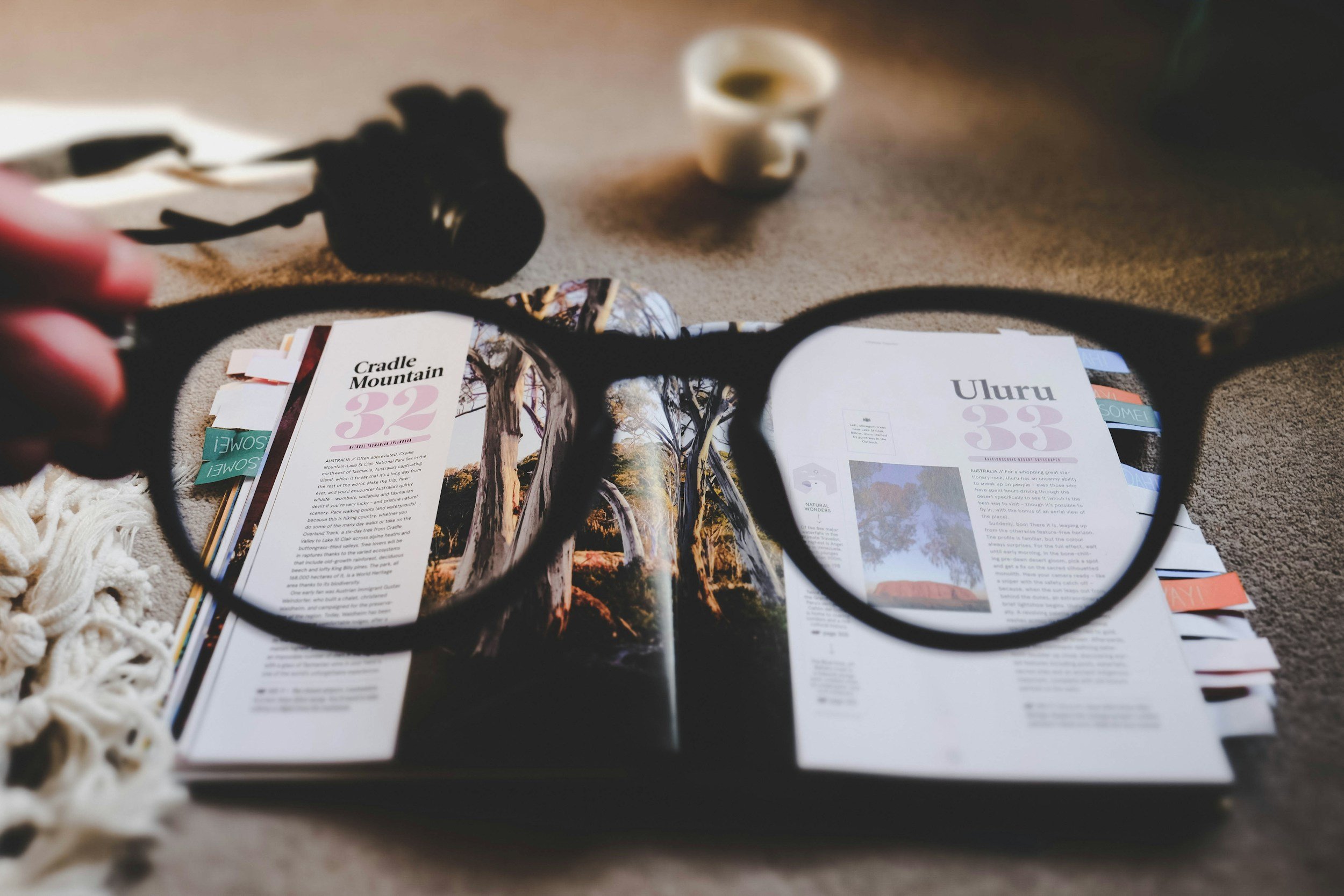
Your vision plays a vital role in everyday life. That’s why we’ve created a collection of articles designed to support you and your family’s eye health beyond the exam room. Explore expert tips, practical advice, and our latest travel features below.

You Have Your Mother’s Eyes…
When someone says that you have your mother’s eyes, they are probably thinking about their color or shape. Yet even familiar traits such as eye color are shaped by a complex mix of genes. It is not determined by a single brown- or blue-eye gene. The genetics behind eye health and disease can be even more complicated…
In Focus: Presbyopia
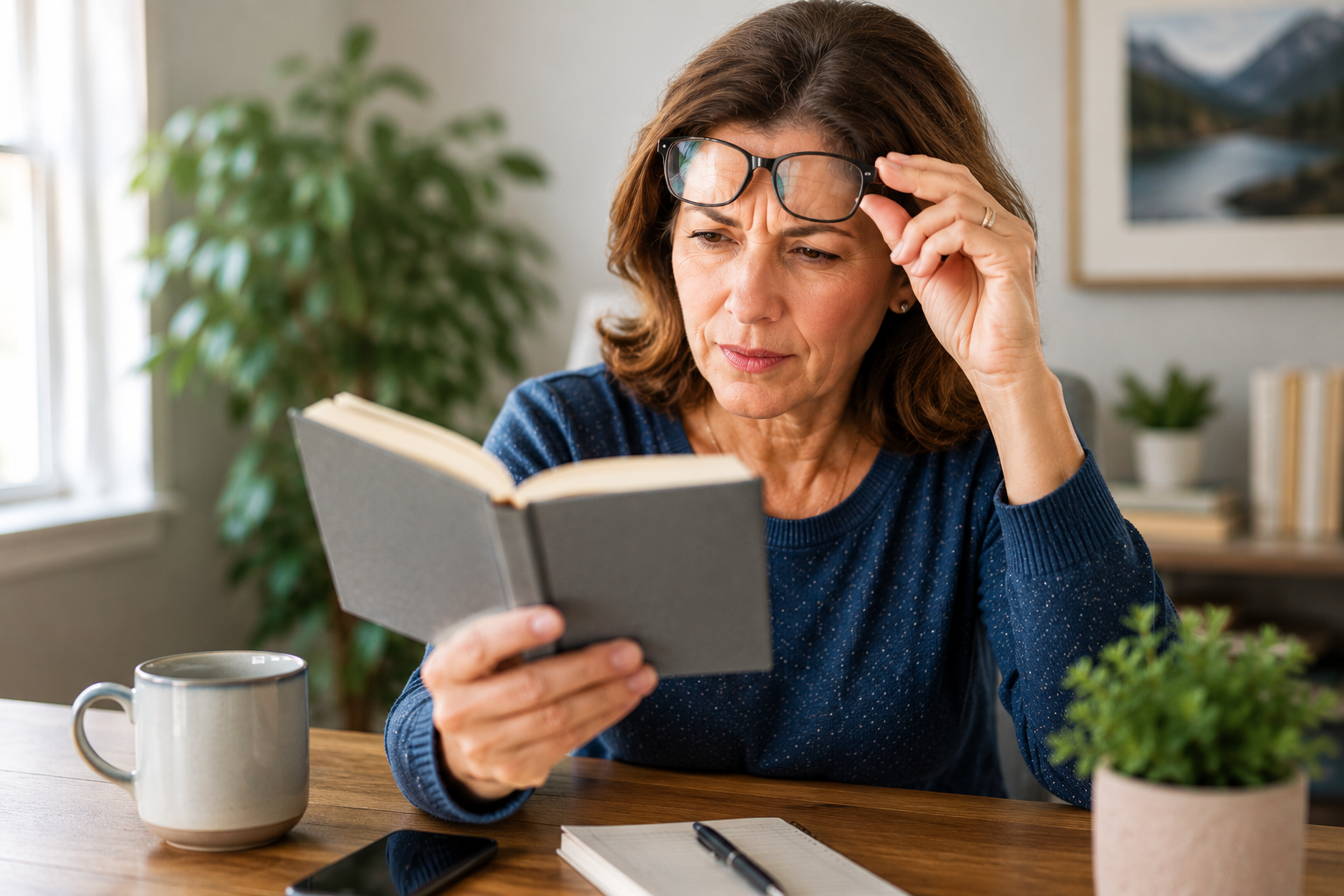
Whether you are reading a menu, checking a text, following a recipe, or helping with homework, clear near vision matters. Many adults begin noticing that small print looks blurrier, menus need to be held farther away, or phone font sizes get larger. This common change is called presbyopia…

In Focus: Astigmatism
Have you ever noticed headlights stretching into long streaks at night or road signs appearing fuzzy? Does your child often squint or struggle with their schoolwork? Astigmatism may be the reason…

In Focus: Myopia
Blurred vision can turn everyday moments, like reading a street sign or recognizing a face across the room, into a challenge. In our series on common vision problems (aka refractive errors), we’re taking look at myopia: what it is, how it shapes daily life, and the treatments that can help protect vision for years to come…

In Focus: Hyperopia
Clear vision depends on light being focused precisely on the retina, the light-sensitive tissue at the back of the eye. When that focus is off, the result is a refractive error, one of the most common causes of blurred vision. In this series, we’ll explore the most common refractive errors, how they can affect daily life, and the many ways they can be corrected. Today’s topic: hyperopia…

New Glasses & Funky Vision…What to Do?
You put on your new glasses…and immediately something feels wrong. The world “swims,” the floor seems tilted, and you may feel dizzy or even a little nauseated. Instinct says, “They gave me the wrong prescription.” Sometimes that’s true, but often the prescription is fine. So, what else could it be?

Vision Rehab: When Glasses Aren’t Enough
Imagine having an updated eyeglass prescription and still struggling to read mail, recognize faces across a room, drive at dusk, or feel steady on stairs. When it happens, many people assume that they just have to “live with it,” but there’s a lesser-known option that can be genuinely life-changing…

Tobacco and Vision: The Overlooked Link
Most people connect smoking with heart and lung disease, but tobacco also plays a role in eye comfort and long-term vision. The same chemicals, especially nicotine, that affect blood vessels and increase inflammation in the body also affect the vessels and the delicate tissues of the eyes. The symptoms are…

The Perfect Self-Gift? Preventive Eye Care
If you only see your eye doctor when something hurts or when things are blurry, you are missing the most powerful part of eyecare: prevention. Vision is more than just reading letters on a line; your eyes tell the story of your whole body. Here are a few preventative eyecare tips…
November Focus: Diabetic Dry Eye
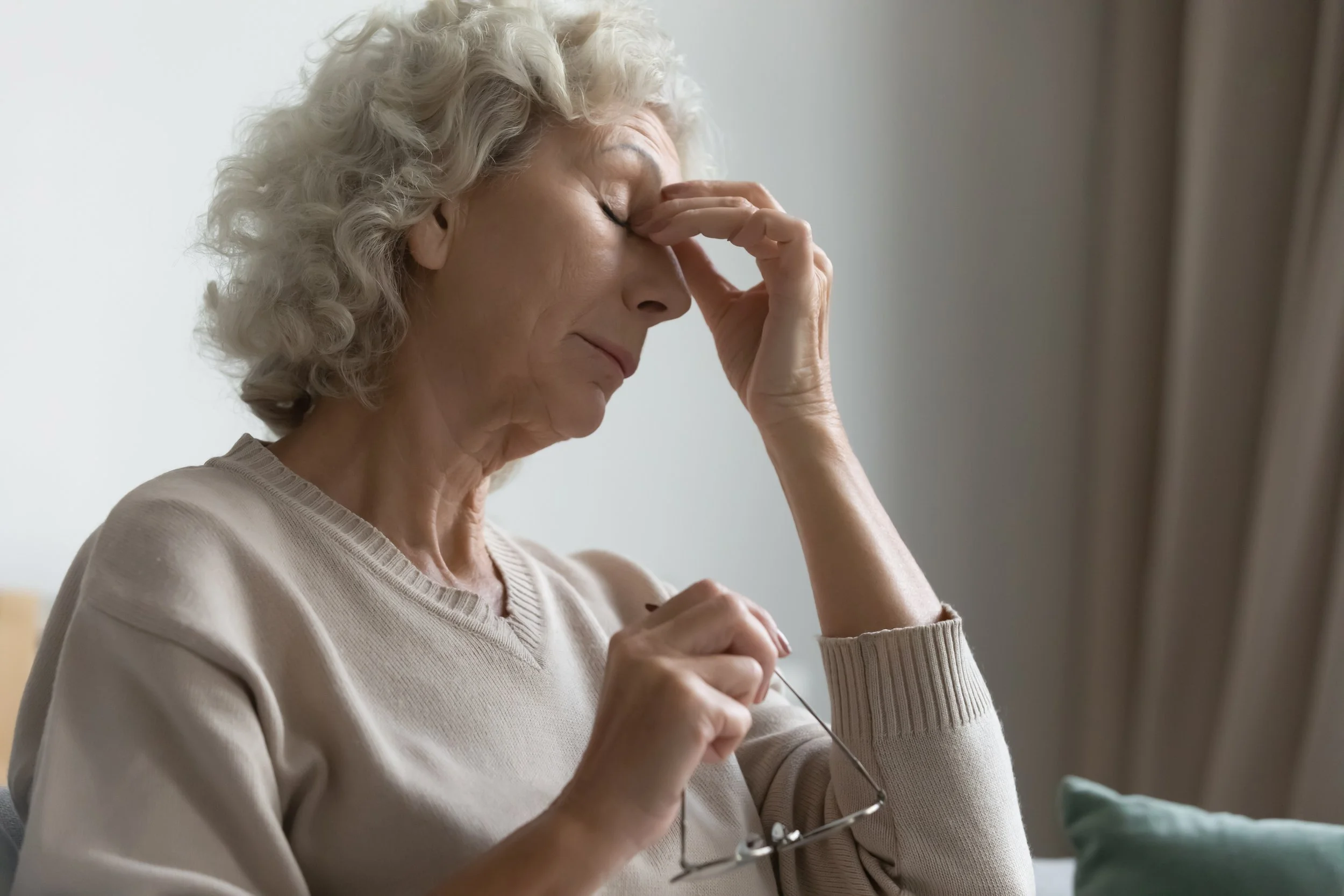
November is Diabetes Awareness Month—and for many people living with diabetes, it’s also when dry, scratchy, irritated eyes seem to flare. Cooler weather, indoor heating, and more screen time can worsen a condition called dry eye disease. Dry eye disease is uncomfortable enough. When diabetes is in the picture, the risk of dry eye is higher…

Magic Weight Loss? Here’s the Catch…
Chances are you’ve heard the names Ozempic, Wegovy, and Mounjaro in the news or from a friend. Originally developed to help people with type 2 diabetes manage blood sugar, these GLP-1 receptor agonists (RAs) are making headlines for their “nearly magic” weight-loss results…

Blinded by the Night? Try These Simple Fixes
Whether you're driving down a dimly lit road or walking the dog after sunset, nighttime glare can make routine tasks feel treacherous. Although headlights often take the blame, the problem usually starts with our eyes where many common eye conditions can scatter light, lower contrast, and make seeing in the dark difficult…

See Smarter This Year
With fall in the air and those back-to-school checklists filling up, remember to add an eye health review alongside backpacks and pencils. Monitoring your child’s vision habits can lead to sharper focus, fewer headaches, better sleep, and even improve learning. Bonus: these tips benefit adults too...
Blue Light: Hype or Healthy Habit
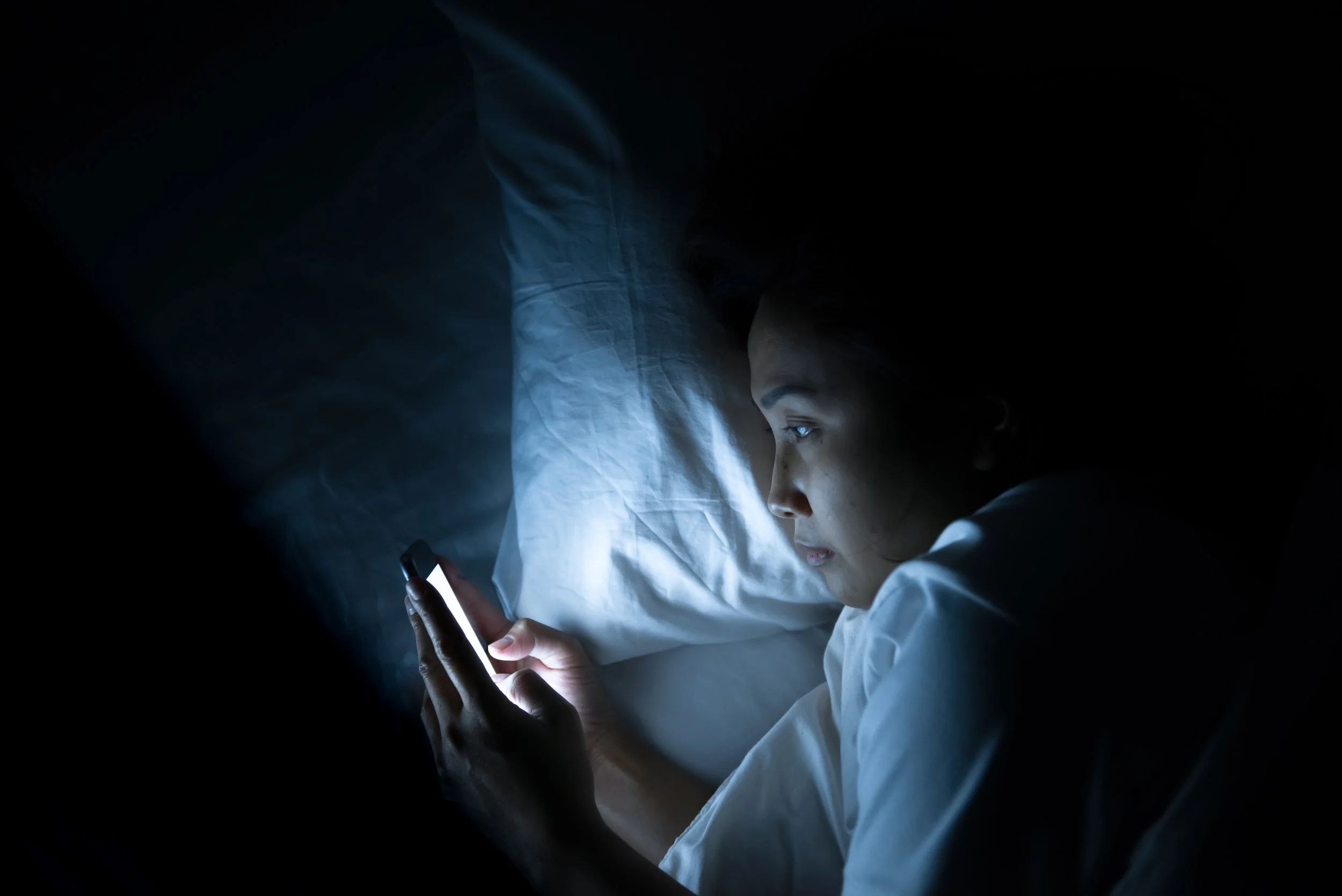
As summer brings longer days and shorter nights, quality rest is more important than ever. Yet with Americans spending over seven hours a day on electronic devices—often late into the evening—the glow of our screens is quietly disrupting our sleep and mood. Blue light filters are an often cited, but insufficient solution…

Finding The Perfect Fit
When it comes to selecting eyeglasses, fashion and function go hand in hand. Beyond style preferences, a great-fitting frame enhances comfort, complements facial features, and improves overall appearance while communicating an individual’s style/aesthetic. A skilled optician can guide…

Relief in Sight: Migraine Lenses
For the millions of people who suffer from migraines or photophobia (light sensitivity), daily life can feel like a battle against light itself. Bright screens, fluorescent lighting, and even a sunny day can trigger debilitating headaches, nausea, and fatigue. Fortunately, advances in optical technology are providing…
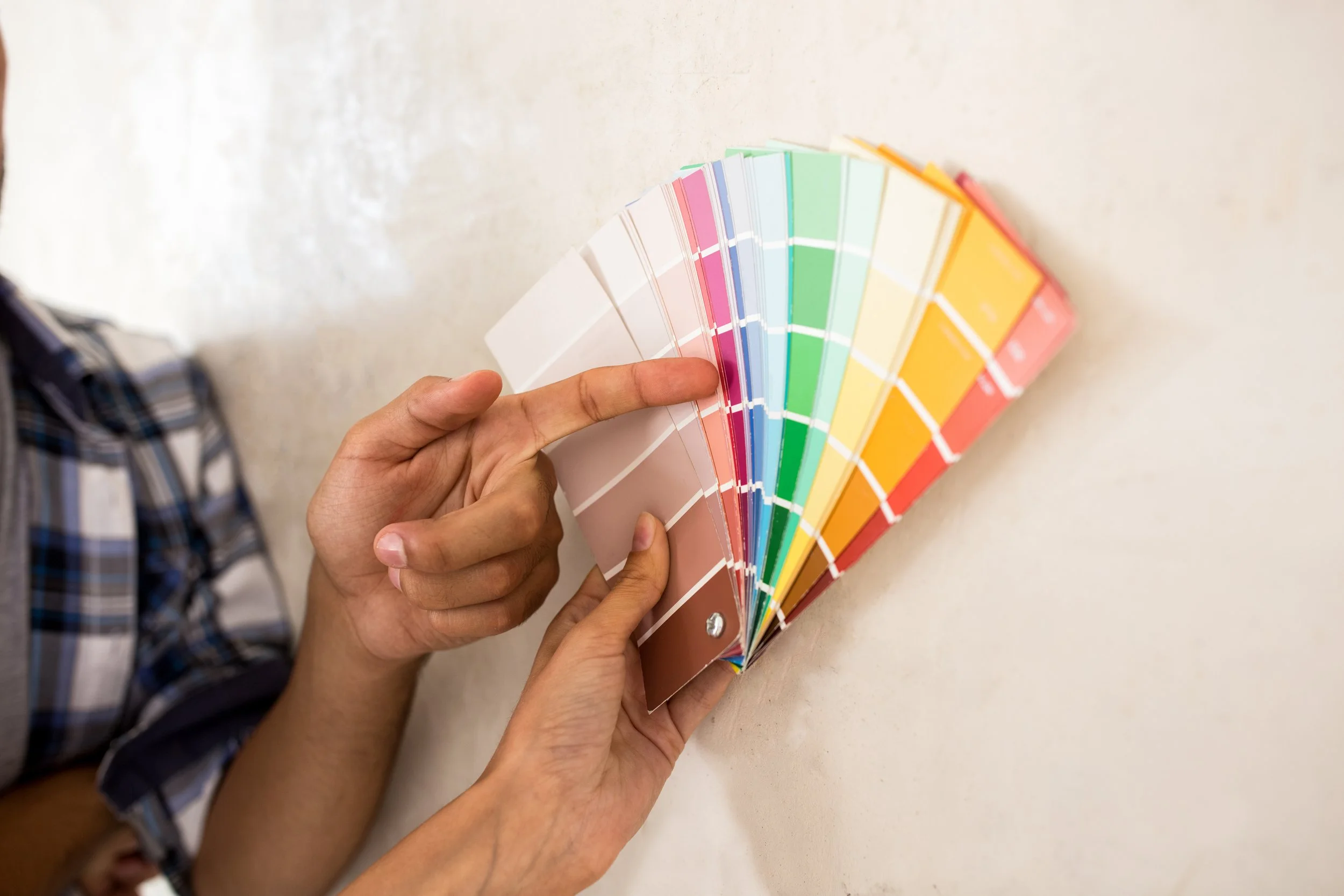
Trouble Telling Red from Green?
Color perception plays a crucial role in daily life, from interpreting traffic signals to selecting ripe fruits and appreciating nature. It is also essential in fields like graphic design, medicine, and aviation. But how does color vision work, and what happens when it malfunctions?

Unseen Challenges to Academic Success
Imagine the frustration of trying to learn to read while the letters seem to move on the page. For many children undiagnosed vision problems create invisible barriers to success in the classroom. New research has revealed that vision is far more than just seeing clearly; it’s about how the brain processes and…

Ortho-K: Wake Up to Clear Vision
Orthokeratology, or Ortho-K, is a non-surgical vision correction method that has revolutionized the way people manage their eyesight. This innovative approach involves wearing rigid gas-permeable contact lenses overnight to reshape the cornea temporarily. Upon removing the lenses in the morning, individuals can…

Contact Lens Habits for the New Year
Contact lenses are a popular and convenient solution for millions of people needing vision correction. On the other hand, wearing contact lenses inherently causes some issues because our eyes were not designed to have pieces of plastic on them. Understanding and practicing proper contact lens hygiene is essential to…