

Magic Weight Loss? Here’s the Catch…
-
Chances are you’ve heard the names Ozempic, Wegovy, and Mounjaro in the news or from a friend. Originally developed to help people with type 2 diabetes manage blood sugar, these GLP-1 receptor agonists (RAs) are making headlines for their “nearly magic” weight-loss results…
-
By activating areas of the brain that reduce hunger and increase feelings of fullness, GLP-1 RAs can help lower food intake and promote weight loss. The catch? Without lasting changes to eating habits, their benefits end once the medication stops. And, while most of the focus has been on shrinking waistlines, it’s important not to overlook the risks to your eye health.
For people with diabetes, GLP-1 RAs can be life-changing. By improving blood sugar control, they reduce the long-term risk of serious eye problems such as diabetic retinopathy (damage to the retina), glaucoma, and cataracts. However, if blood sugar levels drop too quickly, existing eye disease can temporarily worsen. While not unique to GLP-1 RAs (it can happen with other therapies too), it means anyone with diabetes starting these medications should be closely monitored with regular eye exams.
For those looking to lose weight, GLP-1 RAs carry some different risks. Blurred vision and dry eyes are relatively common, often tied to diet or blood sugar changes. More rarely, studies suggest a possible increased risk of non-arteritic ischemic optic neuropathy (NAION), where reduced blood flow damages the optic nerve. Though uncommon, NAION occurs about twice as often in weight-loss patients on GLP-1 RAs than in those with diabetes. Because NAION can cause sudden vision loss or distortion, it requires urgent medical attention.
If you’re taking (or considering) one of these medications, here are four steps to protect your vision:
Tell your eye doctor: Let them know you’ve started a GLP-1 RA so they can monitor your eye health more closely.
Get a baseline exam: A thorough eye exam before starting treatment provides a reference point for future changes.
Follow up regularly: Many eye conditions begin without noticeable symptoms. Stick to your doctor’s visit schedule to catch any changes early.
Report sudden symptoms: Vision loss, blurry or distorted vision, flashes, floaters, and eye pain should never be ignored.
GLP-1 RAs are powerful tools that can improve both health and quality of life, but they are not without risks. Protect your vision by staying connected with your doctors and prioritizing eye care, so you can enjoy the benefits of these medications safely.

Blinded by the Night? Try These Simple Fixes
-
Whether you're driving down a dimly lit road or walking the dog after sunset, nighttime glare can make routine tasks feel treacherous. Although headlights often take the blame, the problem usually starts with our eyes where many common eye conditions can scatter light, lower contrast, and make seeing in the dark difficult…
-
Uncorrected refractive errors, even when only slightly out-of-focus, cause blur and can transform headlights into distracting starbursts and halos. Updating glasses or contact lenses often restores crisp contrast, especially under low-light conditions. While you’re at it, make sure to keep your lenses clean and visit your optician to maintain a good fit and proper visual positioning.
Cataracts, which cloud the lens inside the eye, intensify glare by scattering incoming light and washing out detail. Early on, anti-glare coatings and optimized illumination can help, but as cataracts progress, surgical lens replacement is the definitive remedy for improving night vision and comfort.
Dry eye destabilizes the tear film; the eye’s critical first refractive surface. An uneven tear layer scatters light creating glare, halos, and fluctuating blur. Lubricating eye drops offer temporary relief, but eyelid hygiene and better visual habits are needed to address the underlying causes (see more dry eye tips at MyModernEyes.com/articles).
Ocular surface diseases beyond routine dryness can alter the shape of the cornea, increasing light scatter. Managing the underlying condition can help reduce glare and restore smoother optics.
Macular pigment enhances contrast and reduces glare. Low pigment density has been linked to slower visual recovery and greater discomfort from headlights. Diets rich in leafy greens, colorful produce, targeted supplements, can increase macular pigment. Maintaining healthy levels may not only improve glare tolerance and protect against macular degeneration but also support cognitive function through their antioxidant effects.
Finally, early retinal disease can present with poor dark adaptation. When the eye’s low-light visual pathways struggle, it takes longer to readjust after exposure to oncoming headlights or when moving from bright to dark environments. Specialized tests can detect these changes early, and timely treatment of the underlying disorder may protect visual function and safety.
If nighttime glare is disrupting your daily life, it is not something you simply have to accept. There may be specific causes, like dryness, cataracts, or early retinal changes, that can be addressed. A comprehensive eye exam can identify the underlying cause and guide targeted treatment. With the right care and healthy visual habits, you can regain clarity, comfort, and confidence after dark.

See Smarter This Year
-
As summer winds down and those back-to-school checklists start filling up, remember to add an eye health review alongside backpacks and pencils. Monitoring your child’s vision habits can lead to sharper focus, fewer headaches, better sleep, and even improve learning. Bonus: these tips benefit adults too…
-
· Get Outside: Sunlight helps trigger vitamin D production. It also tells the eyes when to stop growing, which helps prevent myopia (nearsightedness). With more time spent indoors and on screens, outdoor play is more important than ever. Aim for at least 90 minutes a day in natural light to support healthy eye development.
· Manage Screentime: Our eyes were not made to use screens or to look at objects closely more than 10% of the time, yet in today’s world it is almost unavoidable. The good news? You can reduce eye strain and protect vision with the 20/20/20 Plus Rule: every 20 minutes, look 20 feet away for 20 seconds, plus blink firmly 5 times. Also, keeping screens at the right working distance improves comfort and eye health (15 inches for books/phones, 25 inches for computers).
· Focus on Nutrition: Eyes are the most nutrient-hungry part of the body, so what we eat has a big impact on eye health. Fuel them with a colorful variety of vegetables and fruits, healthy fats (like olive oil, coconut oil, or beef tallow), and plenty of protein. Avoid processed food and seed oils (like canola or corn). While whole foods are best, it is tough to get enough omega-3s and macular pigments from diet alone. Supplementing these can help support both vision and brain health.
· Prioritize Sleep: Your eyes are actually a part of your brain, and both need proper rest to repair and function properly. Aim for 7.5 to 8 hours of sleep each night, longer for growing kids. A well-rested brain means more focused eyes.
· Check Your Vision: No back-to-school checklist is complete without a comprehensive eye exam. Make sure your child’s optometrist checks for neurodevelopmental vision issues, not just clarity. Many learning challenges are linked to vision problems that basic screenings miss.
Healthy vision is about more than seeing the board clearly. It’s about thriving in and out of the classroom. With a little prevention, the right habits, and a yearly check-in, you’ll set your child (and yourself!) up for success all year long.
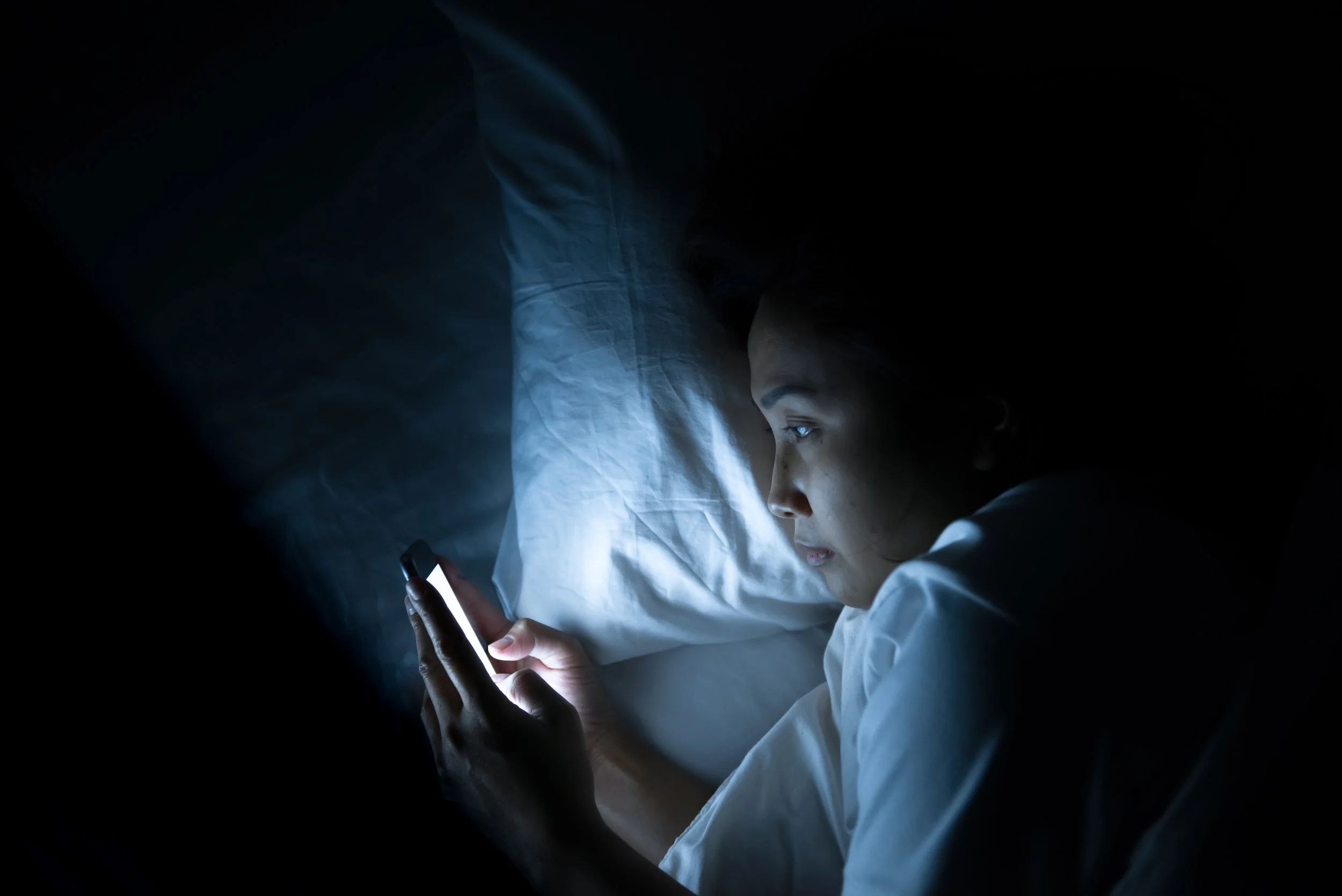
Blue Light: Hype, Harm, and Healthy Habits
-
As summer brings longer days and shorter nights, quality rest is more important than ever. Yet with Americans spending over seven hours a day on electronic devices—often late into the evening—the glow of our screens is quietly disrupting our sleep and mood. Blue light filters are an often cited, but insufficient solution…
-
Instead, here are a few facts about blue light—and some simple changes to improve your sleep.
Facts
Blue light is the high-energy, short-wavelength part of the visible spectrum. Exposure can boost alertness and mood, but timing is key. Light signals received by specialized “timekeeper” cells in the back of our eyes tell our brain’s internal “clock” whether it’s time to be awake or asleep. Exposure to blue light late in the day can confuse this system and delay sleep.
Fiction
“Blue light is why my eyes tire at work.”
Not quite. Digital eye strain comes from how we use screens—staring without blinking, focusing at one distance—not from blue wavelengths. While some find blue-light-filtering glasses helpful, regular breaks and proper ergonomics are far more effective.“Blue light doesn’t affect me—I fall asleep watching TV.”
It does. A Harvard study found that 6½ hours of blue-rich light suppressed melatonin (sleep hormone) twice as much as green-enriched light and shifted internal sleep clocks by two hours more—leading to poor quality sleep. Another study of smartphones from the University of Salzburg showed that unfiltered nighttime use drastically reduced melatonin levels when compared to using a filter or reading a paper book.“Blue light is always bad.”
Not true. A recent University of Pennsylvania study discovered that morning blue light can improve sleep. Getting early morning blue light exposure and reducing it after dusk helped participants fall asleep faster and reach deeper sleep stages.Fixes
Two hours before bedtime, schedule “Night Shift” on your devices to trim the most disruptive wavelengths.
Use Amber or clear “computer” lenses (ANSI Z80.3 rated) at night to block the worst wavelengths, filtering up to 50% of blue light and easing nighttime exposure.
Follow a 20-20-20-Plus regimen when using screens: every 20 minutes, look 20 feet away for 20 seconds and blink hard five times to refresh your tear film.
Adjust your home lighting by swapping bright bulbs for dimmer, warmer 2700 K or use lamps aimed away from eye level after dinner.
Get outside early. Ten minutes of natural morning light anchors circadian rhythms, can counteract late-night scrolling.
Final Thoughts
Managing blue light is not about eliminating it entirely, it’s about timing. With a few smart habits, you can reduce sleep disruption, prevent eye strain, and enjoy sharper focus throughout the long summer days ahead.

Finding The Perfect Fit
-
When it comes to selecting eyeglasses, fashion and function go hand in hand. Beyond style preferences, a great-fitting frame enhances comfort, complements facial features, and improves overall appearance while communicating an individual’s style/aesthetic. A skilled optician can guide…
-
…patients through the selection process by considering a host of factors, most importantly the width of the face, facial proportions, the curvature of the eyebrows, and the angle and height of the cheekbones.
Facial Width
The width of the face is the foundation of proper frame selection. A frame that is too wide can overwhelm the face and make the eyes look crossed, while one that is too narrow may feel tight and look disproportionate. Ideally, the eyes should be a small amount closer to the bridge than to the temporal lens edge. To achieve a pleasing oversized look, a frame wider than normal, but relatively tall from top to bottom, should be selected. Sunglasses should be fitted differently, with the frame about the width of the face.Facial Proportions
Facial proportions help determine which frame styles will be most flattering. Longer faces generally look better in frames that are taller top to bottom, while faces with more equal proportions look better in shallower frames. Facial proportions will be exaggerated when frames don’t balance the features of the face. To ensure a comfortable fit, it is important to consider how the frame fits on the bridge of your nose. Finding the right fit will also ensure the glasses are positioned properly in front of your eyes.
Eyebrows
The curvature of the eyebrows helps define the top line of the frame. Ideally, the upper rim of the glasses should follow the natural brow line, most especially at the middle and temporal part of the lens. Frames that sit too far above or below the brow tend to be less complimentary, however, it is more acceptable for sunglasses to cover the eyebrows. Arched brows typically look great with softly curved frames, while straighter brows are better suited to more angular or flat-topped styles.
Cheekbones
The height and angle of the cheekbones influences both fit and aesthetics. Frames look best when the sides of the frame follow the line from the cheekbone to the jawline. Frames with rounder bottoms are generally acceptable on most faces.
Ultimately, the best frame is one that harmonizes with your face while reflecting your personal style. With the help of an experienced optician, patients can walk away not only seeing better—but looking great and feeling more confident, too.

Relief in Sight: Migraine Lenses Offer New Hope
-
For the millions of people who suffer from migraines or photophobia (light sensitivity), daily life can feel like a battle against light itself. Bright screens, fluorescent lighting, and even a sunny day can trigger debilitating headaches, nausea, and fatigue. Fortunately, advances in optical technology are providing…
-
…new ways to manage these symptoms.
Lens Therapy: Symptoms of light sensitivity during a migraine can be improved when certain wavelengths of light are filtered out. Because of this, specialized light-filtering lenses for migraine and light sensitivity can be beneficial for individuals who spend long hours under artificial lighting or in front of screens. They’re also helpful for those with conditions like traumatic brain injury, post-concussion syndrome, dry eye, or blepharospasm, all of which can amplify light sensitivity. There are two specialized light-filtering lenses available for migraine and light sensitivity: FL-41 and Avalux©.
Broad-spectrum Approach: Originally developed as a therapy for blepharospasm (eyelid twitching), FL-41can provide relief for those with headache disorders and photophobia. They are tinted with a rose or purple hue that filters out specific a range of wavelengths from blue to green light that have been shown to aggravate light-sensitive conditions. Studies have shown that FL-41 can significantly reduce migraine frequency and photophobia symptoms in both adults and children. FL-41 lenses can be made in various darknesses, but moderately tinted and darker work best.
Multi-band Approach: A newer innovation, Avalux© lenses are moderately dark, but offer advanced, multi-band light filtering technology. Unlike FL-41’s broad-spectrum approach, Avalux© filters out two bands of light across the visible spectrum that have been clinically linked to migraine triggers.
Prevention and Treatment: Light-filtering lenses can be worn to prevent migraines and in environments where light sensitivity develops. They can also be worn during an attack or when photophobia occurs. Still, it’s important to note that while these lenses can alleviate symptoms, they are not a cure. They are most effective when used in combination with other treatments, such as lifestyle changes, medications, and trigger management.
While not a magic bullet, FL-41 or Avalux© lenses offer a promising, drug-free way to manage the daily struggle of migraines and light sensitivity. They may not work for everyone—but for many, these lenses can mean the difference between powering through the day and being sidelined by pain. Talk to your eye care provider or neurologist. With little to lose and plenty to gain, they just might be the clearest path forward.

Trouble Telling Red from Green?
-
Color perception plays a crucial role in daily life, from interpreting traffic signals to selecting ripe fruits and appreciating nature. It is also essential in fields like graphic design, medicine, and aviation. But how does color vision work, and what happens when it malfunctions?
-
Color vision is a complex process involving both the eyes and brain. It starts in the retina, where specialized photoreceptors called cones detect light and send signals to the brain. Humans have three types of cone cells, each sensitive to different wavelengths: short (blue), medium (green), and long (red). The brain processes these signals to create the full spectrum of colors we see.
Our ability to perceive millions of colors depends on how these cones interact. For example, equal stimulation of red and green cones results in the perception of yellow. This intricate system allows us to distinguish between countless shades.
Not everyone experiences color the same way. Color vision deficiencies occur when one or more types of cone cells do not function properly. The most common type is red-green color vision deficiency and is more prevalent in men, affecting about 8% of males and only 0.5% of females. Less common is blue-yellow color blindness, where people struggle to differentiate between blue and yellow hues. In rare cases, individuals may have color blindness (achromatopsia), seeing the world in shades of gray.
Although males are much more likely to have a color vision deficit, the genetics of color vision are identical in males and females. That means that the edge that females have in color vision perception may be due to a larger vocabulary of colors rather than a physiological advantage.
Color vision deficiencies vary in severity, from significant impairments to mild cases detected only through testing. People with these conditions may face challenges, but assistive devices like color-correcting/enhancing glasses and digital filters can help. Consulting an eye doctor can determine if these tools would be beneficial.
From the vibrant hues of a sunset to the subtle shades in a painting, color is an essential part of how we perceive the world. Understanding color vision not only enhances our appreciation of everything around us but also fosters empathy and inclusivity for those with vision differences. As science advances, new technologies and treatments may one day offer solutions for those with color deficiencies, broadening their visual experiences and making the world more vibrant for all.

Unseen Challenges to Academic Success
-
Imagine the frustration of trying to learn to read while the letters seem to move on the page. For many children undiagnosed vision problems create invisible barriers to success in the classroom. New research has revealed that vision is far more than just seeing clearly; it’s about how the brain processes and…
-
…understands what the eyes take in. In fact, studies estimate that nearly 80% of classroom learning relies on vision, emphasizing the urgent need to adopt a more comprehensive approach to children’s eye care.
Visual challenges encompass a broad range of issues, including visual processing, sensory integration, and the efficient coordination of eye movements. Nearly one in ten children experience such difficulties, which can significantly hinder their ability to learn effectively. If left undetected, these visual problems may mimic the symptoms of conditions like ADHD and dyslexia, leading to misdiagnosis and unnecessary treatments.
Early detection of these issues is critical; however, standard school vision screenings have no way of detecting the vast majority of these conditions. In addition, fewer than 15% of children receive a comprehensive eye exam before entering kindergarten.
Comprehensive eye exams are essential as they evaluate three fundamental components of vision: physical integrity, visual efficiency, and visual processing. Physical integrity refers to basic sight functions such as visual acuity and peripheral awareness. Visual efficiency involves the coordination of eye movements and the ability to maintain proper focus both at a distance and up close. Higher-level visual processing enables the brain to interpret and give meaning to the visual data collected by the eyes—an ability that is indispensable for reading, writing, and overall classroom learning.
Parents and educators can play a pivotal role in early identification by being vigilant for common signs of visual problems. Indicators such as frequent eye rubbing, misaligned eyes, head tilting, skipping or re-reading lines, and using a finger as a reading guide may signal underlying issues. Other warning signs include difficulty remembering what has been read, problems copying information from the smartboard, holding reading materials closer than 16 inches, struggling to stay on a line when writing, and difficulty following oral directions.
Success in life often starts in the classroom, yet many children struggle simply because their vision needs go unnoticed. A comprehensive eye exam by an expert in neurodevelopmental vision can uncover issues that basic screenings might miss. By addressing these challenges early, we can help ensure that every child has better vision care and the opportunity to reach their full academic potential.

Ortho-K: Wake Up to Clear Vision
-
Orthokeratology, or Ortho-K, is a non-surgical vision correction method that has revolutionized the way people manage their eyesight. This innovative approach involves wearing rigid gas-permeable contact lenses overnight to reshape the cornea temporarily. Upon removing the lenses in the morning, individuals can…
-
…experience clear vision throughout the day without the need for glasses or contact lenses.
The science behind Ortho-K is straightforward yet effective. The lenses gently modify the outermost layer of the eye, altering its curvature to redirect light correctly onto the back of the eye. Unlike LASIK or other refractive surgeries, Ortho-K is non-invasive and reversible, making it a safer alternative for many patients.
The primary candidates for Ortho-K are individuals with mild to moderate myopia (nearsightedness), although it can also address astigmatism (a complicated prescription), hyperopia (farsightedness), and presbyopia (trouble reading) in some cases.
Ortho-K is an effective method of vision correction for all ages, but it has additional benefits for children. It has been shown to slow the progression of myopia – a condition that can lead to serious eye health issues such as retinal detachment, glaucoma, types of macular degeneration, and cataracts later in life.
Parents are increasingly turning to Ortho-K as a myopia control strategy for their children. Studies suggest that the use of Ortho-K lenses can reduce the progression of myopia by up to 50%, providing a proactive way to manage this growing epidemic. With more children spending extended hours on screens and less time outdoors, the prevalence of myopia is on the rise globally, making solutions like Ortho-K more relevant than ever. For more information on Ortho-K for myopia control, visit: bit.ly/3E2LEf6.
There are some things to think about when considering Ortho-K: the treatment works best when lenses are worn consistently (daily). Contact lenses require proper use and care to be safe and effective. It can take time (generally a few days) for your vision to be clear throughout the day. Regular follow-ups with an eye care professional are essential to monitor eye health and ensure the lenses fit correctly.
Ortho-K is transforming lives by offering a convenient, non-surgical solution for clear vision. Whether it’s reducing dependency on glasses or controlling myopia in children, Ortho-K presents a promising option for those seeking freedom from traditional vision aids. Reach out to your local eye doctor to see if this revolutionary treatment is right for you or your family.

New Contact Lens Habits for the New Year
-
Contact lenses are a popular and convenient solution for millions of people needing vision correction. On the other hand, wearing contact lenses inherently causes some issues because our eyes were not designed to have pieces of plastic on them. Understanding and practicing proper contact lens hygiene is essential to…
-
maintaining healthy eyes and clear vision. Improper lens care can lead to a variety of issues including irritation, inflammation, infection, and vision loss.
Here are a few essential habits to practice in the new year to ensure your contact lens experience is safe and trouble-free:
Use Clean Hands: Always wash your hands with soap and water, and dry thoroughly before handling lenses. This prevents irritation, inflammation, and infection caused by transferring dirt or bacteria to your eyes.
Avoid Water Contact: Tap, chlorinated, or saltwater can introduce aggressive microbes to your lenses, leading to severe infections. Avoid wearing lenses while swimming and remember to wait to put them in until after you shower.
Don’t Forget to Blink: Wearing lenses can cause your eyes to dry out as they reduce your cornea’s sensitivity to blinking. Practice the 20/20/20+ rule: every 20 minutes of screen time, look at something 20 feet away for 20 seconds and make five strong blinks to keep your eyes moist and comfortable.
Let Your Eyes Breathe: Your cornea (the clear part of the eye) needs oxygen from the air to function properly. Wearing contact lenses reduces oxygen flow, especially when your eyes are closed. Limit lens wear to 10-12 hours daily and avoid wearing lenses for extended periods, even if they are approved for overnight use.
Sanitize Lenses Properly: For non-daily contact lenses, use peroxide-based or name-brand multipurpose solutions to clean lenses. Replace your lens case every three months. Always rub both sides of your lenses for at least ten seconds before placing them in the sanitizing solution in the case. Some people also rub the lenses when they remove them from the sanitizing solution, but that increases the risk of complications.
Visit Your Eye Doctor Regularly: Contact lens prescriptions are valid for one year because regular eye assessments are crucial to preventing complications. Schedule your annual exam and see your eye doctor immediately if your eyes become red, painful, light-sensitive, or if your vision changes, remove your lenses.
Resolving to practice these better eyecare habits can help you protect your vision and enjoy a clear, comfortable experience with contact lenses. Cheers to a year of great vision!

Better Service, Better Glasses: See the Independent Difference
-
Glasses are not just fashion accessories—they are essential tools for daily life. Yet, when it’s time for new glasses, many people turn to big-box retailers or online options, drawn by convenience and low prices. Purchasing glasses from a local, independent optical store offers benefits that go beyond quick and cheap…
-
Here are four reasons why buying from an independent provider is worth considering.
First, independent optical stores offer a personalized experience. Unlike chain stores focused on high-volume sales, they prioritize individualized attention. Their opticians take time to understand each patient’s needs, face shape, and lifestyle to recommend the best lenses, frames, and fit. They take extra steps to make sure each patient’s glasses fit comfortably and will perform well in any situation.
Independent optical stores often offer a broader and more diverse selection of frames, including boutique and niche brands not typically found in retail chains. Many of these brands prioritize quality materials and craftsmanship, offering frames that are more durable and better suited to withstand daily wear and tear. This variety allows you to find frames that suit your individual style and personality rather than what can be sold at volume discounts. Lenses from independent stores are often higher quality and can be tailored to individual needs, as they are not limited by cost-cutting measures or the need for simplified options.
The expertise found in independent optical stores is another major advantage. These opticians are not constrained by the limited range of offerings dictated by their parent company. Their knowledge extends beyond aesthetics to the science of lenses, coatings, and frame construction, providing patients with an unparalleled level of service. This extensive technical knowledge, combined with better equipment, enables them to excel at selecting, fitting, and repairing glasses—skills often lacking in larger chains or online retailers.
Another advantage of shopping at an independent optical store is the ability to focus on community and sustainability. Independent opticians are able to meet the increasing demand to prioritize sustainable materials from ethical manufacturers over mass-produced options. Supporting local businesses also strengthens the local economy, as these optical shops are often owned and operated by members of the community who are invested in its success.
In short, purchasing glasses from a local, independent optical store is more than a transaction—it’s an investment in quality, expertise, and community. With personalized service, advanced professional knowledge and skills, a curated selection of unique frames, and strong local connections, the experience can enhance vision, style, and overall satisfaction.

Addressing Myopia Early: What Families Need to Know
-
With cases skyrocketing in recent years, myopia has become a serious public health challenge. Myopia, commonly known as nearsightedness, is more than just a visual complaint. It is a growing global issue that affects millions, blurring the world beyond arm’s reach and increasing the risk for other serious eye conditions…
-
This may sound dire, but fortunately there are ways to help control its progression and protect our vision for the future.
The causes of myopia are not fully understood, but they include lifestyle and possibly genetic factors. The most impactful lifestyle factor is limited outdoor activity in childhood. This lack of outdoor time combined with the dramatic rise in screen time (close-up work) is driving the surge in myopia rates. Studies have found children who spend the same time outdoors as their counterparts, but more time on screens are more likely to develop myopia, and in higher amounts.
Unchecked myopia can lead to more than just blurry vision. The higher the amount of myopia, the greater the risk of developing other eye problems, like retinal detachments, glaucoma, as well as certain types of macular degeneration and cataracts. Most of these conditions develop later in life, which means that not controlling myopia in young children can increase their risk of developing serious eye conditions throughout their lives.
Fortunately, advances in eye care have provided several effective methods for controlling the progression of myopia; including specialized contact lenses or eye drops to slow the progression of myopia in children. Orthokeratology (Ortho-K) lenses are hard contact lenses that are worn while sleeping, temporarily reshaping the cornea to reduce myopia progression and often eliminate the need for vision correction during the day. There are also soft contact lenses worn during the day and low-dose atropine eye to reduce the development of myopia. Myopia control eyeglasses are also in the process of obtaining FDA approval.
As with most conditions, early intervention is key. Myopia progresses most rapidly in the pre- and early-teenage years and can greatly reduce complications and improve quality of life for those affected. Eye exams are essential for early detection, treatment, and monitoring of myopia. Parents and caregivers can also play a crucial role. By encouraging children to spend more time outdoors and take regular breaks from screen-based activities, they can help reduce the risk of developing or worsening myopia and help put their kids on the path to better vision and ocular health.

Blurry or Not: Why You Should See an Eye Doctor
-
Even if your vision seems perfectly fine, eye exams play a vital role in maintaining your long-term health. Not only do eye exams help address visual problems; they are vital for detecting a wide variety of conditions that might not present obvious symptoms. Here are four (and a half) reasons to get your eyes checked today…
-
1) Vision is highly adaptable. Vision is also a complex process in which the brain fills in information and adapts to changes, meaning that your own brain can even mask eye problems from your detection.
2) Sight can change a lot. Even if you do not experience blurriness, your eyes may still undergo subtle changes over time. Small refractive errors or strain from excessive screen time can lead to headaches, eye fatigue, and discomfort. Regular eye exams can not only help keep your prescription up to date but provide advice on lifestyle adjustments to reduce strain and protect your vision. They are also an opportunity to discuss things like UV protection, nutrition, and dry eyes, which can impact long-term eye health.
3) Clear vision does not equal healthy eyes. Many eye conditions, such as glaucoma, macular degeneration, and diabetic retinopathy develop silently. These diseases do not cause pain or noticeable vision changes in their early stages, making them difficult to detect without a comprehensive exam. By the time symptoms become noticeable, significant and irreversible damage may have already occurred. Regular eye exams allow the early detection of these diseases, preventing vision loss and improving the chances of successful treatment.
4) Eyes are the window to…the body. Your eyes can reveal more than just the state of your vision; they provide a glimpse into your overall health. Through a comprehensive eye exam, signs of systemic conditions like high blood pressure, diabetes, high cholesterol, and much more can be detected. These health issues can manifest in the eyes before they show up elsewhere in the body. Just as catching a leaky sink early can prevent serious damage to your home, catching these conditions early can also help prevent more serious complications down the road.
4½) Most eye exams are easy. From reading an eye chart and answering questions to having your eyes examined with a microscope, you mostly just sit there. Even most ocular treatments, like eyedrops, glasses, and contacts, are simple and painless.
In short, regular eye exams should be an essential part of everyone’s healthcare regimen, whether you have blurry vision or not. Monitoring your vision and catching potential health issues early can safeguard your vision and health while improving your quality of life.

Their Backpack Is Ready, Is Their Vision?
-
As summer winds down and school sessions begin, it’s easy to overlook the importance of good vision amid the excitement of new classes, friends, and activities. With around 80% of our brain dedicated to vision, it is the most important school supply your child can have. Here are five key tips to ensure your child’s eyes stay…
-
…healthy and sharp throughout the school year.
Schedule a Comprehensive Eye Exam: Many vision problems that affect learning go undetected, as children may not realize their vision is not perfect. Comprehensive eye exams go well beyond standard school screenings and are recommended annually, beginning in pre-school.They not only test for refractive error (e.g. myopia/nearsightedness), but also assess overall ocular health and evaluate for strabismus, amblyopia, and visual developmental anomalies. Catching these issues early can make all the difference in your child’s learning experience.
Monitor Screen Time: With homework assignments, reading, and leisure activities increasingly involving screens, it’s essential to manage your child’s screen time. Prolonged screen time can cause eyestrain, dryness, and headaches. Studies show that limiting non-academic screen time to two hours is best. Encourage your child to take regular breaks by following the 20-20-20+ rule: every 20 minutes have them look at something 20 feet away for at least 20 seconds, plus blink hard five times to replenish the tear film in the eyes. Developing this simple habit is not only helpful for your child, but for everyone who frequently uses screens.
Ensure a Proper Study Environment: As your child dives into their homework routine, make sure their study environment is well-lit. Proper lighting reduces eyestrain, especially during evening study sessions. It is also important to maintain a reading/working distance of about 15” to reduce the demand on our eye alignment and focusing mechanisms.
Encourage Outdoor Play: Spending time outdoors not only benefits your child’s overall health but also their vision. Studies have shown that regular outdoor time can reduce the risk of developing myopia (nearsightedness). Encourage your child to spend at least an hour a day outside.
Teach Good Eye Habits: Remind your child not to rub their eyes, as this can spread infections, scratch the eye, or cause other injuries. Additionally, make sure they wear protective eyewear during sports or any activities where there is a risk of eye injury.
As the school year begins, make sure to prioritize your child’s. Paying attention to your child’s vision can help them thrive both in and out of the classroom and clear the way to a brighter future.

Vision Myths: Fact from Fiction
-
When it comes to vision and eye health, misconceptions abound, and these fallacies can lead to improper treatment and unnecessary worry. Let’s see if we can clear up a few common myths and help you take better care of your eyes…
-
Myth: Reading in dim light (or sitting too close to the TV/using a computer or smartphone) damages your eyes.
Fact: All these situations can lead to eye strain and dry eye, making your eyes feel tired and uncomfortable, but they do not cause any long-term damage. To reduce eye strain and discomfort, always use proper lighting and follow the 20/20/20+ Rule (For every 20 minutes of near/screen time, take a break for 20 seconds, looking at something 20 feet away, plus squeeze your eyes tightly 5 times). Keep in mind, sitting too close to the TV or holding books/phones too close may be signs of a vision problem and should be evaluated.
Myth: Carrots are the best food for your eyes.
Fact: While carrots, rich in vitamin A, are beneficial, they are not the only food that can promote eye health. Leafy greens like spinach and kale, omega-3 fish oils, nuts, winter squash, and citrus fruits also contribute to maintaining good vision.
Myth: Wearing glasses will weaken your eyes.
Fact: Glasses help correct visual errors. They do not make your eyes weaker or dependent on glasses. Instead, they ensure that you can see correctly and reduce eye strain.
Myth: Eye exams are only necessary if you have vision problems.
Fact: Regular eye exams are essential even if you do not have apparent vision problems. They can detect eye conditions that may not have noticeable early symptoms, like glaucoma and macular degeneration, as well as other health issues like diabetes and high blood pressure.
Myth: Wearing someone else's glasses will damage your eyes.
Fact: Wearing someone else's prescription glasses will not harm your eyes, but can cause discomfort, headaches, and blurred vision since they are not tailored to your visual needs.
Myth: You only need sunglasses on sunny days.
Fact: UV rays can damage your eyes even on cloudy days. Wearing sunglasses with 100% UV protection whenever you're outside can help delay cataracts and other UV-related eye damage.
Understanding the facts about eye health can help you take better care of your vision. Regular check-ups, a balanced diet, and protective measures are key to maintaining healthy eyes.

What’s That Floating in My Vision?
-
Eye floaters are tiny spots, specks, or cobweb-like shapes that drift across your field of vision. Though they can be unsettling, these visual disturbances can be harmless and often occur as part of how eyes change with time. However, in some cases, they can indicate serious underlying conditions. Unfortunately, it is not possible to tell…
-
…normal floaters from problematic ones without a thorough eye evaluation.
Floaters occur in the vitreous, the clear JELL-O like substance filling the inside of your eye. They are typically caused by small clumps or strings of gel that form and are often most noticeable when looking at a plain, bright background like the sky or a white wall. Floaters can also be caused by blood in the eye or by changes in other parts of the brain.
While normal eye changes are the most common cause of floaters, other factors can cause the development of floaters. These include:
Holes, tears, or detachments of the retina
A posterior vitreous detachment (PVD) – a natural process that everyone will likely experience which can lead to retinal holes, tears, detachments, or other problems
A hemorrhage in the back of the eye from diabetes, hypertension, a PVD, or other causes
Eye injury or infection
In most cases, eye floaters do not require treatment. They can become less noticeable over time as the floaters move away from the retina or the brain learns to ignore them. Surgical treatments for floaters are invasive or have not been shown to be very effective, which means that they are not a great option for most people. There is a nutraceutical, a nutritious supplement that acts as a pharmaceutical, that has been shown, through clinical research, to reduce the size of floaters.
While eye floaters are generally a benign part of aging, they should not be ignored. Regular eye check-ups and prompt attention to changes in vision are crucial in maintaining ocular health. If you experience any concerning symptoms, consult with an eye care professional to ensure your vision remains clear and healthy.
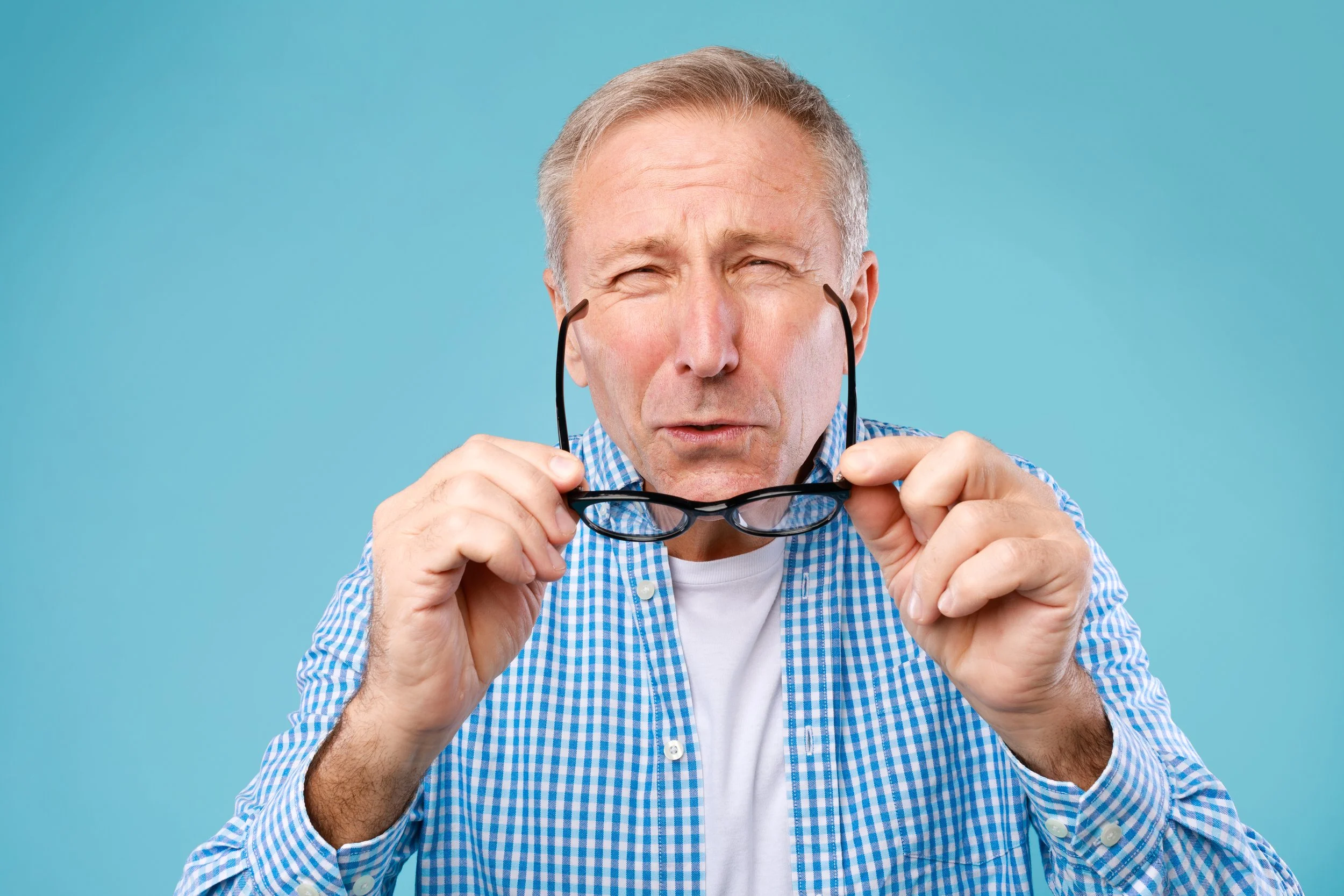
Cloudy Vision (and How to Fix It!)
-
There are many reasons why your vision may be cloudy, but for people “of a certain age” one of the most common causes is cataracts. Cataracts are a condition where the crystalline lens inside the eye becomes cloudy and can affect your vision. If you collect enough birthdays, you will end up developing them…
-
This process typically begins around the age of 60, though there are instances where they may begin at a younger age. In rare cases, people are born with cataracts or develop them early in life, though these generally do not get worse over time or significantly affect vision.
For most people, cataracts will affect their eyesight and, if affected enough, they can be removed by a surgeon. The crystalline lens gets cloudy when the precise arrangement of its proteins is disrupted. This happens gradually throughout life, but there are several other factors that can accelerate that process. Some of these factors are UV radiation exposure, diabetes and other metabolic disorders, hypertension, smoking, and the use of certain medications such as corticosteroids.
Common symptoms of cataracts include blurry vision that cannot be corrected with glasses or contact lenses, difficulty with night vision, difficulty reading, glare and halos/starbursts around lights, a rapidly changing eyeglass prescription, double vision in only one eye, and the fading or yellowing of colors.
Cataracts can be detected and evaluated through a comprehensive eye examination. The testing for cataracts typically involves vision and prescription testing and a dilated eye evaluation, though cataracts can be assessed to a lesser extent without dilating the eyes.
There are two pieces of good news regarding cataracts: They have almost no potential to permanently affect eye health or vision, and they can be removed through surgery which typically improves vision significantly.
Cataract surgery is the most performed surgery in the world and the United States; millions are performed in the US annually. The surgery is normally brief, the recovery is relatively short, and vision improves rapidly after surgery. Better still, modern lens implants mean that people are typically less reliant on visual correction after surgery. There are several different types of lens implants used during cataract surgery, and some can even help people see at distance and near with little to no help from visual correction.
Ultimately, cataracts cannot be prevented or avoided. However, their development can be slowed by managing systemic health conditions, refraining from tobacco use, protecting the eyes from UV radiation, and a consistent intake of vitamin C.
Annual comprehensive eye examinations are crucial for detecting and monitoring cataracts, as well as other eye diseases and problems that can cloud your vision.

Why Your Vision Changes: Common Eye Problems Demystified
-
Pardon the pun, but the importance of clear vision is pretty clear. A fundamental aspect of daily life, it allows us to better navigate and enjoy our world. Unfortunately, many individuals experience common vision problems (aka refractive errors) that can make it difficult to see clearly. Understanding these conditions…
-
…and available treatments is crucial for maintaining optimal eye health and visual acuity.
By taking simple precautions and being aware of potential risks, we can protect our vision and prevent eye injuries both at work and at home. Remember, your eyes are irreplaceable, so make eye safety a priority. If you have any concerns about your eye safety or need advice on protective eyewear, consult with your optometrist for personalized recommendations.
Our eyes grow from when we are born until about the time when we stop growing taller. This causes our eyes’ refractive properties to change during that time. Around the age of 45, people begin to need different prescriptions for distance and near.
Myopia, or nearsightedness, occurs when the eyeball is too long or the cornea is too curved, causing light rays to focus in front of the retina instead of directly on it. This results in blurred vision when looking at objects in the distance, while close-up vision remains clear.
On the other hand, hyperopia (“farsightedness”), occurs when the eyeball is too short or the cornea is too flat, causing light rays to focus behind the retina instead of on it. As a result, close-up objects may appear blurry, while distant objects are often clear.
Astigmatism is another common refractive error that occurs when the cornea and/or lens is irregularly shaped, causing light rays to focus at two different spots. This results in distorted or blurred vision at all distances. Astigmatism is essentially a complicated version of myopia, hyperopia, or a mix of both.
Presbyopia affects near vision, typically becoming noticeable around age 45. It occurs when the natural lens of the eye loses its flexibility, making it difficult to focus on close-up objects.
Fortunately, these vision problems can be corrected with eyeglasses, contact lenses, or with refractive surgery. Eyeglasses and contact lenses work by bending the light that enters the eye, allowing them to focus correctly on the retina. Refractive surgery, such as LASIK, reshapes the cornea to improve the way light is focused.
Regular eye exams are essential for correcting these common vision problems and monitoring your eye health. An eyecare professional can determine the extent of the refractive error and recommend the most suitable treatment option. Early detection can prevent some vision problems from worsening and improve overall quality of life.

Eyes Wide Open: Tips for Eye Safety
-
With the bustling pace of daily life, it's easy to overlook the significance of protecting our eyes. There are countless everyday activities that can cause eye injuries. Regardless of the setting—be it at work, engaging in sports, or at home—being aware and taking precautions go a long way in protecting one's vision…
-
Eye injuries can occur in any industry, from construction sites to offices to schools. It's crucial for employers and employees to prioritize eye safety measures. Here are some tips:
Wear appropriate eye protection: Safety glasses, goggles, or face shields may be necessary to protect your eyes from hazards such as flying debris, chemicals, or intense light.
Follow safety protocols: Adhere to all safety guidelines and protocols established by your workplace or institution, including proper training on the use of machinery and equipment that could pose a risk to your eyes.
Take regular breaks: If your work or studies involve staring at a computer screen for long periods, take breaks to reduce eye strain and dry eye symptoms.
Eye safety in sports is crucial to prevent serious injuries. Wearing protective gear, such as goggles or helmets with face shields, can greatly reduce the risk of eye injuries during sports activities. It is important for athletes to be aware of the risks and take proactive measures to protect their eyes while participating in sports.
Even in our own homes, there are hazards that can lead to eye injuries. Here's how you can protect yourself and your family:
Use protective eyewear: When gardening, working on DIY projects, or using household chemicals, wear safety glasses or goggles to prevent eye injuries.
Keep hazardous materials out of reach: Store cleaning products and other hazardous materials in a secure location out of reach of children to prevent accidental exposure.
Be cautious with toys: Choose age-appropriate toys for children and avoid toys with sharp edges or projectiles that could cause eye injuries.
By taking simple precautions and being aware of potential risks, we can protect our vision and prevent eye injuries both at work and at home. Remember, your eyes are irreplaceable, so make eye safety a priority. If you have any concerns about your eye safety or need advice on protective eyewear, consult with your optometrist for personalized recommendations.

Diabetes and Vision: What you Need to Know
-
Most people are familiar with diabetes, however many are unaware of its impact on vision. A chronic condition characterized by elevated blood sugar levels, diabetes affects millions of people worldwide. Almost 9% of the adult population of Massachusetts have been diagnosed with diabetes, and over 31% have prediabetes…
-
Diabetic eye disease is a leading cause of blindness among adults.
Diabetic retinopathy is the most common form of diabetic eye disease. It occurs when high blood sugar levels damage blood vessels in the retina, the light-sensitive tissue at the back of the eye. In the early stages, diabetic retinopathy may cause no symptoms or only mild vision problems. However, as the disease progresses, it can lead to severe vision loss and blindness.
Another complication of diabetes is diabetic macular edema (DME), which occurs when fluid leaks into the macula, the part of the retina responsible for sharp central vision. DME can cause blurriness and visual distortions, making it difficult to read or drive.
People with diabetes tend to develop cataracts at an earlier age. Cataracts are a clouding of the eye's natural lens and can significantly impact vision. When they become visually significant, they can be surgically removal.
Furthermore, diabetes increases the risk of developing certain types of glaucoma, a group of eye diseases that damage the optic nerve. Glaucoma often has no symptoms in its initial stages but can lead to peripheral vision loss and eventually blindness if not detected and treated early.
Regular eye exams are essential for detecting diabetic eye disease early when treatment is most effective. The American Diabetes Association recommends that people with diabetes have a comprehensive medical eye exam at least once a year. During this exam, an eye care professional will thoroughly examine the retina and optic nerve for any signs of damage.
In addition to regular eye exams, managing blood sugar levels, blood pressure, and cholesterol is crucial for preventing diabetic eye disease. Healthy lifestyle choices, such as maintaining a balanced diet, exercising regularly, and not smoking, are critical to maintaining eye and whole-body health.
Remember that, while diabetic eye disease can lead to vision loss and blindness, with proper management these complications can generally be avoided. By taking proactive steps to manage diabetes and prioritize eye health, individuals can reduce their risk of developing diabetic eye disease and protect their vision for the future.
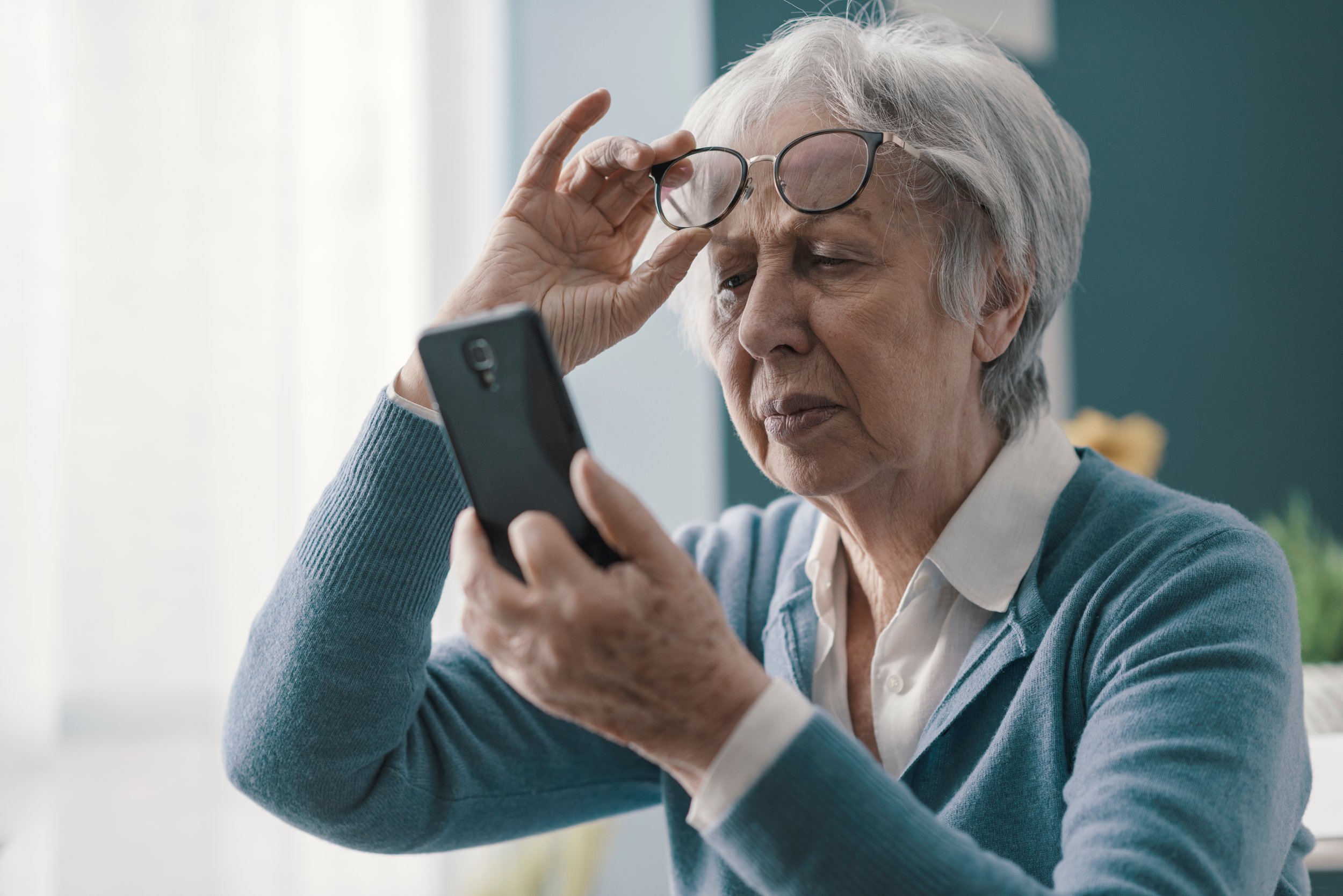
Clearer Vision For Tomorrow: Understanding Macular Degeneration
-
With over 80% of our understanding of the world coming through our eyes, they play a pivotal role in our everyday perception. The macula, the central part of our retina, is particularly important since it is responsible for our detailed central vision. Macular degeneration (AMD) is a condition that impairs how well we can see…
-
…and interact with the world around us. AMD is a leading cause of irreversible vision loss in the US.
There are three forms of AMD: “wet”, “dry”, and geographic atrophic. AMD always starts out “dry”, with small, yellowish spots, called drusen, collecting under the retina. Dry AMD often causes distortion and grey or missing areas in our central vision.
Sometimes, AMD advances to the “wet” or geographic atrophic types. In the “wet” form, new weak blood vessels form under the retina. These weak blood vessels will leak blood under the retina. If treated early, functional vision can generally be maintained.
In the geographic atrophic form, areas of the retina start to die off, leading to expanding blind spots. Until very recently there were no treatments for geographic atrophic AMD.
Age is a major risk factor in developing AMD. Genetics can also play a role in the condition. While we cannot reverse aging or change genetics, there are other important risk factors that can be modified, like lifestyle choices.
Eliminating any tobacco use is the most important change to make. After that, patients should focus on getting good nutrition, taking frequent exercise, and working with their primary care physician to manage co-morbid conditions (like high blood pressure and diabetes). In addition to eating a healthy diet, supplementing your nutritional intake with macular pigments and omega-3 fish oils can reduce the risk of developing AMD or slow its progress. Talk to your doctor about which supplements are right for you.
Like many conditions, early detection is crucial in managing AMD. Regular comprehensive eye health exams are imperative to identify the condition early. Remember that, while AMD primarily affects the individual and their vision, the societal impact extends well beyond, affecting families, caregivers, and healthcare systems. Make sure to follow the steps above to ensure that your vision stays sharp and you get to enjoy everything this world has to offer.
Aging Eyes? Here’s What to Look For
-
Imagine a high-quality camera, a powerful computer, and a USB cable that is damaged. How well do you think the pictures from your camera are going to transfer to the computer? Similarly, glaucoma is a condition where there is damage to your optic nerve because the pressure…
-
…in your eye is higher than is healthy.
You might think that you would notice if your eye pressure is too high or if you are losing vision, but high eye pressure is undetectable without an eye exam.
The loss of vision is also something that you won’t notice until that loss is significant. This is because vision loss caused by glaucoma is slow and occurs first in the area where the vision of the two eyes overlaps.
The good news is that glaucoma is a very manageable condition. With appropriate treatment and monitoring, your vision can be maintained essentially indefinitely.
There are a few things that you can do to ensure early detection of glaucoma:
Have your eyes examined regularly: Even if your eyes seem fine, it's essential to visit your eye doctor regularly. Those over 65 should be examined annually, and those from 18 to 65 without ocular disease or risk factors, every two years is acceptable.
Get informed: If you don't understand something about our eyes, it's okay to ask questions. Eyes are very complicated, so I take time to educate my patients. Your doctor is there to help, and the more you know, the better you can take care of our eyes.
Family Matters: Sometimes, glaucoma can run in families. If someone in your family has it, your chance of getting it may be a bit higher. Don't worry – regular check-ups can catch it early and help keep your eyes healthy.
Relax: Stress can affect our eyes, and even raise our eye pressures, so it's good to find ways to de-stress. Mindfulness meditation has been shown to be particularly effective.
Remember, our eyes are like an amazing camera providing an irreplaceable link to our world. Taking care of them means we get to see everything life has to offer. So, let's be eye-wise and keep that vital connection in top shape!

Beyond Carrots: Better Nutrition for Better Vision
-
As the year draws to a close marking a time of celebration, gatherings with family and friends become more frequent. With food playing a significant role in these festivities, it's important to discuss nutrition and its impact on your ocular and overall health…
-
The connection between food and vision may seem like a stretch, but in fact the macula (responsible for sharp central vision) is the body's most metabolically active area, requiring ample nutrients, oxygen, and nutritional support. Any deficiencies may manifest in the eyes before affecting other bodily functions.
Put simply, the best way to maintain ocular and systemic health is to consume a diverse diet of whole foods, focusing on vegetables, fruits, fatty fish, and healthy oils. Unfortunately, the reality is that most items available in grocery stores are highly processed and lack recommended nutrients.
Key principles for good nutrition include choosing foods with few ingredients on the label, avoiding items with unpronounceable ingredients, favoring wild-caught fish and pasture-raised meats, and opting for pesticide-free fruits, vegetables, nuts, and plant oils.
Eating fruits and vegetables of various colors is important as the pigment molecules in plants act as crucial antioxidants, safeguarding against inflammation and enhancing high-detail central vision. Macular pigments are vital for sharp vision and combating macular degeneration, including lutein (abundant in dark green vegetables), zeaxanthin (found in sweet potatoes, egg yolk, and yes, carrots), and meso-zeaxanthin (present in the skin of fish like salmon and sardines).
While whole foods are the best nutritional sources, you may want to consider adding some key dietary supplements like Omega-3 fatty acids, probiotics, macular pigments, and vitamins C, D, E, B-complex vitamins.
Akin to nutrition, lifestyle factors also significantly influence ocular and overall health, especially exercise levels, smoking, alcohol consumption, environmental exposures, and stress.
There are many cases showing the visual benefits of good nutrition. For example, a patient who has wet macular degeneration recently told me that she can go twice as long between treatments when she eats according to the above recommendations. Prioritizing these nutritional practices can ensure the health and optimal performance of both our eyes and the rest of our body. Hopefully, you can incorporate these guidelines into holiday menus and beyond to keep all of your days merry and your vision bright. Happy Holidays!

Screen Time and Dry Eye: Here’s the Connection
-
Between computers, smartphones, and TVs, excessive screen time has become a major part of our lives, but it brings along significant discomfort for our eyes. This discomfort stems from dry eye and, to some extent, eye strain. Unfortunately, these symptoms are frequently misattributed…
-
… to other causes leading to ineffective treatments and ongoing discomfort.
Despite the name, dry eye does not always make your eyes feel dry. Instead, it can manifest as burning, itching, redness, excessive tearing, a foreign object sensation, or fluctuating vision quality. Sometimes, these symptoms lead people to mistakenly believe they have allergies.
Prolonged screen use, close-up tasks, and contact lens wear are the primary culprits behind dry eye. These activities decrease our blink rate by 35-50%. Contact lenses exacerbate this by further reducing blink frequency. Moreover, screens, close work, and contact lenses weaken our blinks, occasionally causing our eyelids not to close fully during a blink.
Insufficient and weak blinking results in inadequate oil secretion from tiny glands in our eyelids. This oil plays several crucial roles, including preventing tears from evaporating, maintaining clear vision, lubricating our eyes and eyelids, and safeguarding our eyes from allergens. When not used correctly, these oil glands produce abnormal oils and become clogged. Without this oil, everything on the eye's surface goes awry, leading to the symptoms mentioned earlier. Dysfunctional oil glands also give rise to eyelid and lash inflammation, which can further affect the eye's surface.
People often ask if eye drops or medications can cure dry eye. While they can provide temporary relief and reduce inflammation, these treatments merely alleviate symptoms and do not address the root causes. Relying on these treatments allows the underlying causes of dry eye to worsen.
The most effective way to treat dry eye is by rehabilitating the oil glands in the eyelids, addressing inflammation from the eyelids and lashes, and retraining blink patterns. While discussing all of these methods exceeds the scope of this article, one practical tip I can provide is the "20/20/20+ Rule": For every 20 minutes of screen time or close work, take a 20-second break, gaze at something 20 feet away, and blink forcefully five times during the break.

Aging Eyes? Here’s What to Look For
-
September is “Healthy Aging” Month and, while you may not buy into the theme-of-the-month concept, it is a good reminder to consider the three most common eye issues that can come with collecting more birthdays: cataracts, macular degeneration, and glaucoma…
-
Cataracts occur when the lens inside the eye becomes cloudy, which can cause blurred vision, glare, and even double vision. They usually progress slowly, over years, but certain types can change rapidly. Thankfully, cataract surgery improves vision almost immediately, has low complication rates and, by using advanced lens implants, can possibly eliminate the need for glasses entirely.
Macular degeneration (AMD) affects central, high-resolution vision due to the deterioration of the retina (the tissue in the back of the eye that senses light). Early AMD can have no symptoms, but some people might notice difficulty adapting to dark conditions, distorted central vision, and blind spots. AMD is classified as either “dry” or “wet”. “Wet” AMD involves leaky blood vessels which, if left untreated, results in significant vision loss. There are treatments available for “wet” AMD, and the first treatment for advanced “dry” AMD was recently approved by the FDA.
Glaucoma affects peripheral vision by damaging the optic nerve that transmits light signals to the brain (like a USB cable that connects your camera to your computer). This is due to elevated eye pressure which is symptomless until the late stages of the condition when significant vision loss has already occurred. Eye drops and surgeries lower eye pressure to manage glaucoma.
The best way to delay the onset or progress of these ocular conditions (and other aging eye conditions), as well as to reduce their severity, is through lifestyle choices like eating a healthy diet, getting adequate exercise, stress reduction, and avoiding heavy alcohol consumption and all nicotine products.
As with most aging conditions, early detection and treatment are critical. Regular eye exams are the only way these conditions are diagnosed and treated. For those younger than 65, comprehensive eye health exams should happen at least every two years, or more often if there are any ocular or systemic risk factors. People aged 65 and up should have a comprehensive eye health exam every year, or as recommended by their eye physician.

Beyond the Blackboard: Vision Affects Learning
-
Vision is not just about seeing clearly, it plays a crucial role in our ability to learn and develop. Vision involves a complex interaction between the eyes, brain, and surrounding environment. From infancy, proper visual development is essential for children to be able to make sense of the world…
-
…around them and unaddressed visual and neurodevelopmental anomalies can greatly affect that child’s life and educational outcomes.
A common misconception is that visual issues are limited to visual correction (glasses and contacts). However, vision is much more complicated, involving many systems in the brain to control and coordinate eye movements and convergence (pointing the eyes at an object up close), accommodation (focusing), and perception. Dysfunction in these areas is referred to as neurodevelopmental anomalies because the problem lies in the brain, not in the eye itself. Other conditions, like strabismus (misalignment of the eyes) and amblyopia (sometimes known as lazy eye) also greatly affect vision and learning.
Unaddressed, these conditions can cause permanently reduced visual acuity, double vision, and difficulties with near and/or distance tasks. Neurodevelopmental anomalies can also cause a lack of coordination, inaccurate eye movements, and difficulty interpreting visual information.
The challenge for parents with young children is that few of these conditions have visible signs except strabismus. In addition, children with these conditions do not know what “normal” is so they are usually unaware of any problems or, if they are, they may not have the language skills to explain the problems they are having. In fact, many children with the disorders mentioned here are misdiagnosed with conditions like ADHD, dyslexia, and other learning and behavioral challenges. Unfortunately, the treatments for ADHD, dyslexia, etc. do absolutely nothing to assess or address the visual condition that may be causing the behavior that is causing the misdiagnosis.
Parents and teachers should also keep an eye out for behaviors that can indicate a problem with the visual system such as squinting, eye rubbing, poor attention with visual tasks, and closing one eye. Early diagnosis and intervention are critical in these conditions. The only method to diagnose these dysfunctions is through a comprehensive eye examination with an eyecare provider experienced with neurodevelopmental anomalies.

Systemic Health & Its Impact on Your Eyes
-
Informing a 42-year-old man that he was losing his vision due to uncontrolled diabetes stands out as one of the most difficult moments in my clinical practice. He had disregarded medical recommendations, putting both his vision and his life at risk. Unfortunately, this story is…
-
… all too common underscoring the impact of systemic health on eye health and emphasizing the importance of regular eye exams and following medical advice.
Over 80% of our understanding of the world is through our eyes. Visual impairment not only affects individuals and their loved ones, but also poses an annual economic burden exceeding $100 billion in the US alone.
The human body is a marvel of interconnected systems and extensive research has demonstrated that comprehensive eye care is a vital component of overall healthcare.
There are numerous systemic health conditions that can affect the eyes, including Alzheimer's, Arteriosclerosis, Autoimmune Conditions (such as Rheumatoid Arthritis, Sjogren's, Crohn's), Diabetes, Dyslipidemia, Shingles, Hypertension, Multiple Sclerosis, Sickle Cell, and Thyroid Dysfunction. These conditions can cause problems from dry eye to vision loss.
Common medications can also impact ocular health, including Alpha-Blockers (Tamsulosin, Dutasteride), Amiodarone, Antibiotics (Fluoroquinolones, Tetracyclines), Anti-Cholinergics (Antihistamines, Antipsychotics, Antispasmodics, Cyclic Antidepressants), Chloroquine/Hydroxychloroquine, Ethambutol, Gabapentin, Isotretinoin/Vitamin A, PDE5 Inhibitors (Sildenafil, Tadalafil), and Tamoxifen. Continuing these medications is important for many patients, but awareness of their potential risks and regular eye exams are essential to identifying ocular side effects.
Comprehensive eye exams not only detect ocular conditions but also identify previously undiagnosed medical conditions like diabetes, hypertension, giant-cell arteritis, Lyme disease, and autoimmune conditions. Serious eye conditions, including ocular tumors and infections, can jeopardize systemic health and are detectable through a thorough ocular exam.
Lifestyle factors, including diet, exercise, alcohol, and tobacco use, have a significant impact on ocular conditions like macular degeneration, cataracts, and thyroid eye disease. Discussing these factors with your doctor and working together to mitigate risks is essential.
The good news is that preventing or mitigating the effects of systemic conditions on ocular health, and vice versa, is straightforward. The best method for preserving eye health and vision is through regular, medically-focused eye exams, adherence to treatment plans, and lifestyle adjustments. Recognizing the interplay between systemic health and eye health enables us to take proactive steps toward early detection, prevention, and overall well-being.