Blinded by the Night? Try These Simple Fixes
Blinded by the Night? Try These Simple Fixes
By: Graham R. Stetson, OD, MS
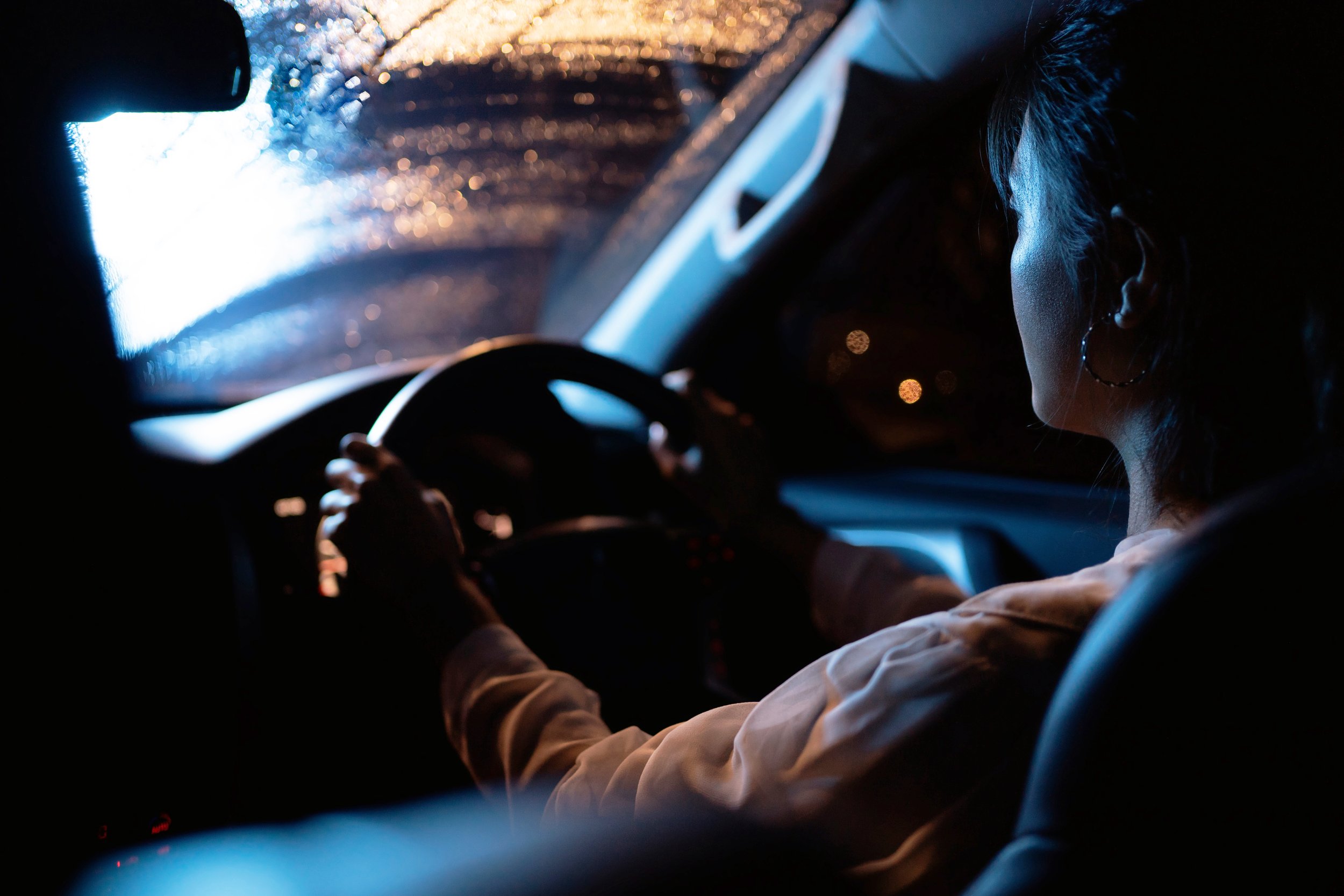
Whether you're driving down a dimly lit road or walking the dog after sunset, nighttime glare can make routine tasks feel treacherous. Although headlights often take the blame, the problem usually starts with our eyes where many common eye conditions can scatter light, lower contrast, and make seeing in the dark difficult.
Uncorrected refractive errors, even when only slightly out-of-focus, cause blur and can transform headlights into distracting starbursts and halos. Updating glasses or contact lenses often restores crisp contrast, especially under low-light conditions. While you’re at it, make sure to keep your lenses clean and visit your optician to maintain a good fit and proper visual positioning.
Cataracts, which cloud the lens inside the eye, intensify glare by scattering incoming light and washing out detail. Early on, anti-glare coatings and optimized illumination can help, but as cataracts progress, surgical lens replacement is the definitive remedy for improving night vision and comfort.
Dry eye destabilizes the tear film; the eye’s critical first refractive surface. An uneven tear layer scatters light creating glare, halos, and fluctuating blur. Lubricating eye drops offer temporary relief, but eyelid hygiene and better visual habits are needed to address the underlying causes (see more dry eye tips at MyModernEyes.com/articles).
Ocular surface diseases beyond routine dryness can alter the shape of the cornea, increasing light scatter. Managing the underlying condition can help reduce glare and restore smoother optics.
Macular pigment enhances contrast and reduces glare. Low pigment density has been linked to slower visual recovery and greater discomfort from headlights. Diets rich in leafy greens, colorful produce, targeted supplements, can increase macular pigment. Maintaining healthy levels may not only improve glare tolerance and protect against macular degeneration but also support cognitive function through their antioxidant effects.
Finally, early retinal disease can present with poor dark adaptation. When the eye’s low-light visual pathways struggle, it takes longer to readjust after exposure to oncoming headlights or when moving from bright to dark environments. Specialized tests can detect these changes early, and timely treatment of the underlying disorder may protect visual function and safety.
If nighttime glare is disrupting your daily life, it is not something you simply have to accept. There may be specific causes, like dryness, cataracts, or early retinal changes, that can be addressed. A comprehensive eye exam can identify the underlying cause and guide targeted treatment. With the right care and healthy visual habits, you can regain clarity, comfort, and confidence after dark.